Dog Park: A Mix of Tails & Troubles
UNPOPULAR OPINION!
You will find me at a dog park under two specific circumstances:
1. Training outside the fence, utilizing the dogs inside as a training distraction.
2. Working inside the fence when there are no other dogs present.
Dog parks serve as a great venue for letting dogs stretch their legs and get exercise, particularly for those without a secure yard at home.
So why don't dog trainers utilize them as a "socialization" opportunity?
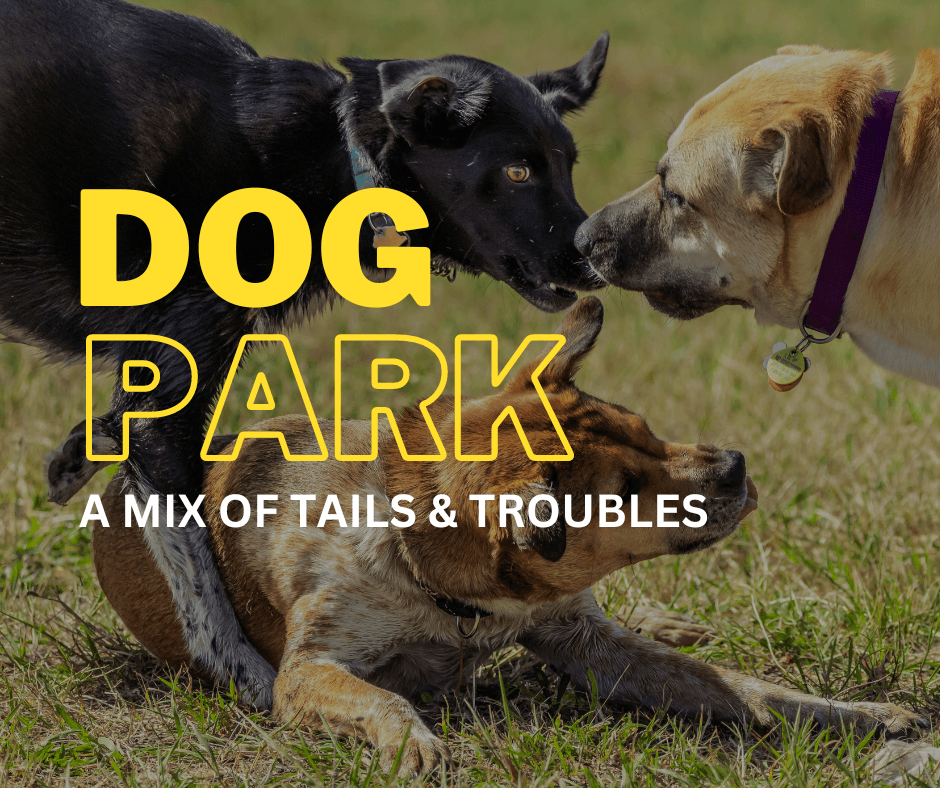
Dog parks can present challenges, such as being a space for unpredictable interactions between dogs. Think recess with no teacher on duty! For puppies and young dogs who don't already have established behavior patterns, this "free for all" environment can reinforce unwanted behavior such as humping, herding, and biting. Poorly behaved and unsupervised dogs go unchecked for naughty behavior. Our more submissive dogs can get ganged up on, leading to fearful or anxious behavior.
Many dogs may become overly excited or anxious in the chaotic environment of a dog park. This is where we see a dog that is hyperactive and out of control in other public settings because the only time they are around dogs, it is unhinged chaos!
Shift your goal from socialization to neutralization! Help your dog…
- Become neutral around people
- Become neutral around dogs
- Become neutral around all different kinds of distractions.
We want our dogs to run around, play, and have a good time with each other, but first they must learn respectful, social behavior. There are rules and boundaries that come with interacting in public spaces and those must be taught. Humans MUST step in to enforce and reinforce these.
If every time your dog sees another dog, they get to act like a maniac, you will struggle with them in other public places. Coffee shops, calm walks in the neighborhood, and field trips to ball games and sporting events are all attainable with proper training.
So, how do you socialize your dog? When DO they get to play with other dogs?
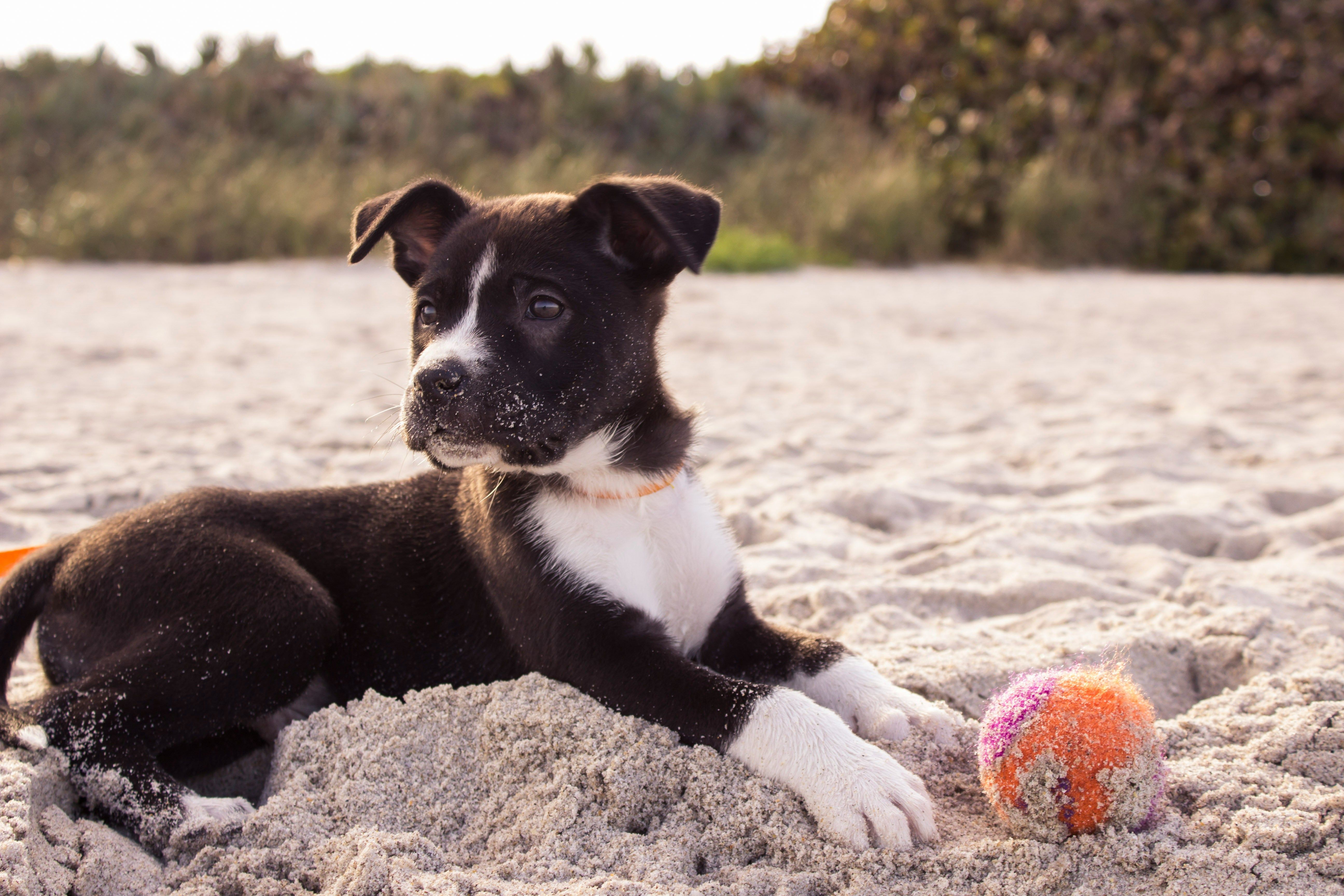
Pairing Dogs Up
Small supervised and constructive play groups can be a great way to teach our dogs how to play well with friends. It's helpful to find dog friends who have temperaments and energy levels that compliment each other. For example, a 14 year old, slower moving, senior dog may not prefer a 1 year old puppy jumping in their face. Be patient and find the right group.
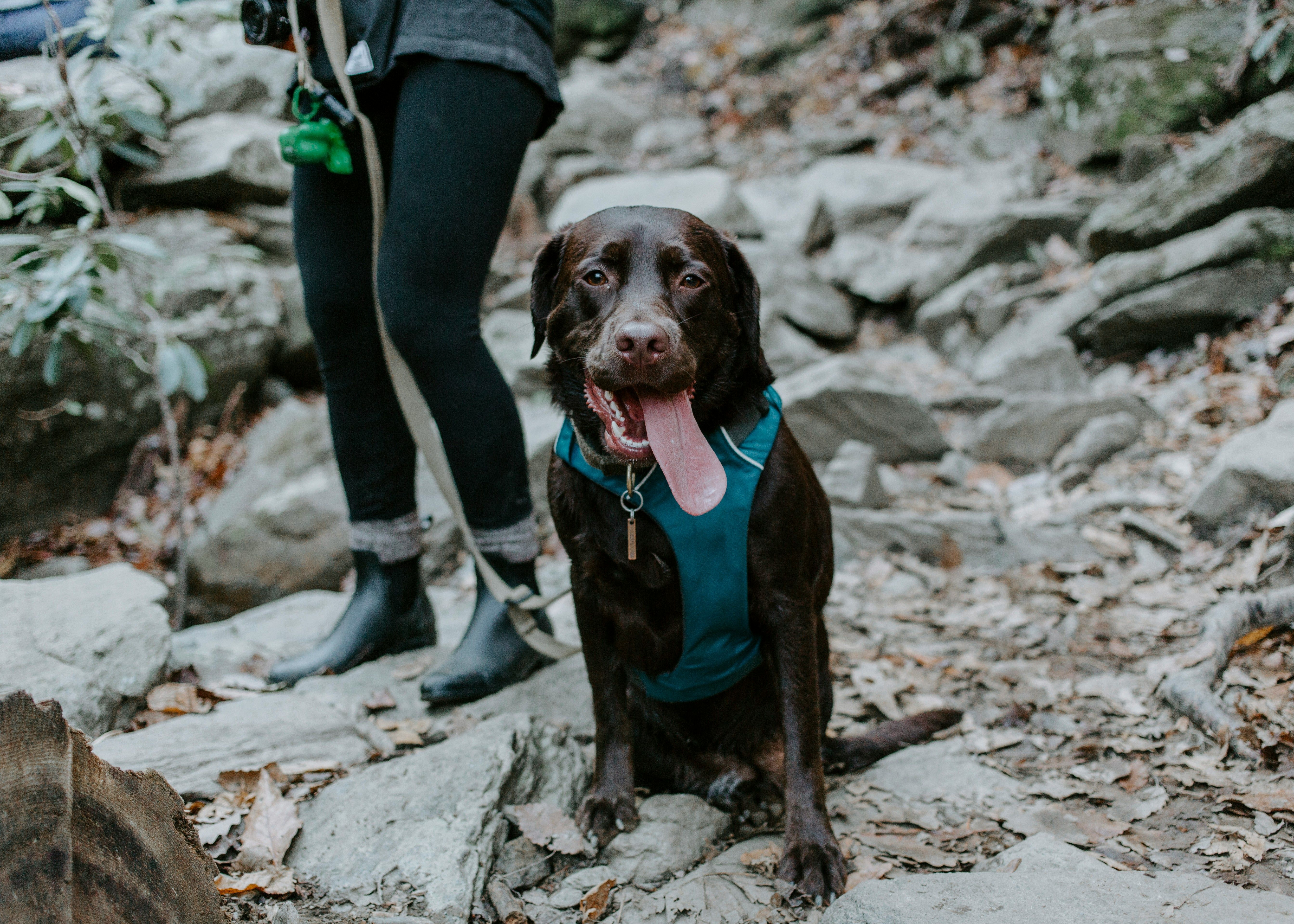
Other Outdoor Activities
Hikes where everyone is moving with their dogs can be a great option for getting them out. In general, dogs do better in big open spaces where tension does not build as quickly. Avoid small fenced in areas.
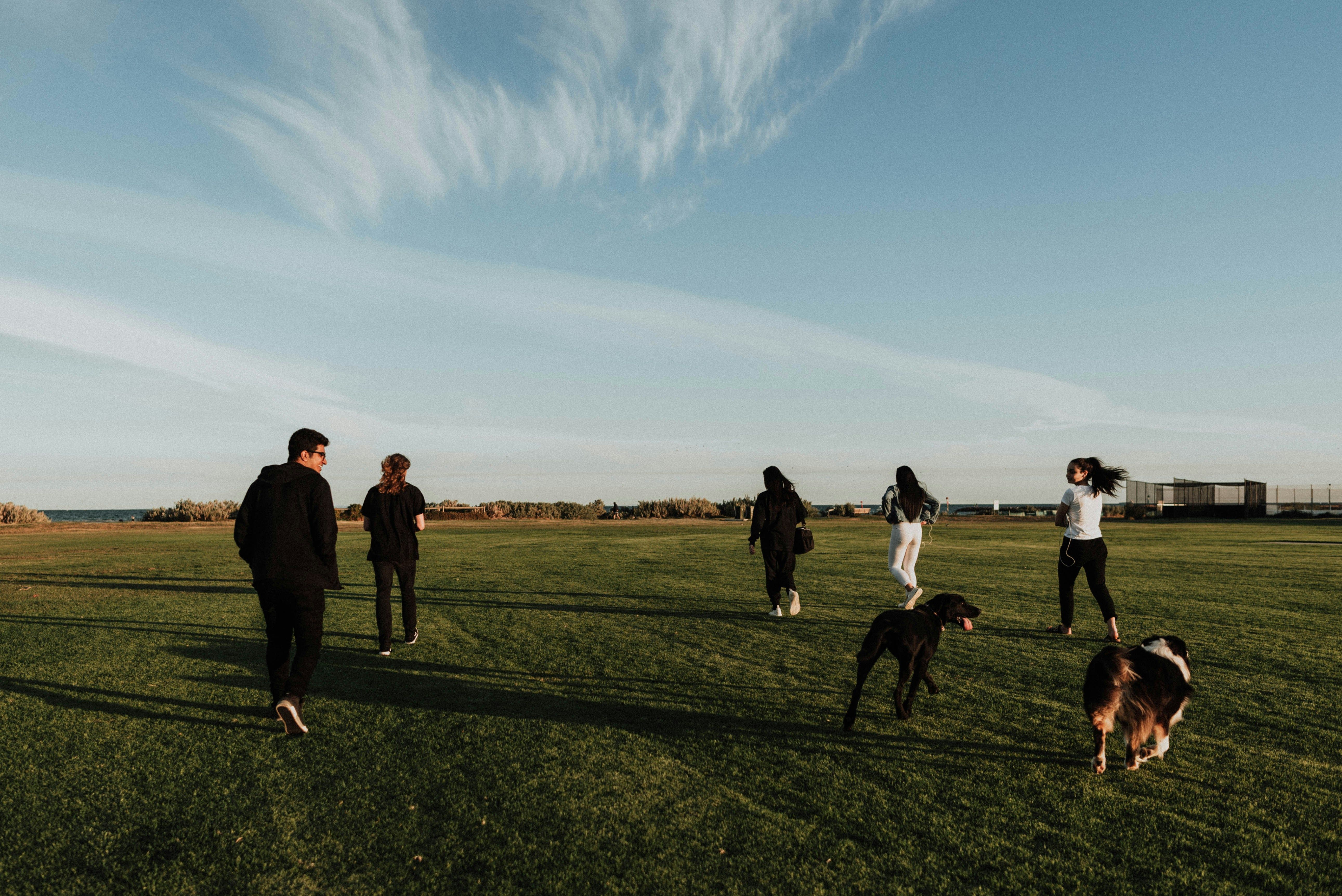
Structured Groups & Field Trips
- Group pack walks are a particularly good option for dogs that are already struggling with impulse control in the presence of other dogs. They can learn to travel together in a pack vs. having crazy adrenalized play.
- Group training sessions offer an even more structured environment.
- Field trips to dog friendly stores such a Home Depot, Lowe's, and Tractor Supply are another fantastic opportunity to get our dogs out.
It is not the dog park itself that I don't like. It is the mixed bag of dogs that can be there and the lack of control over the environment.
Finding a cohesive group of dogs with attentive owners that get together with can be a wonderful thing for everyone involved. Make sure that you are finding socialization opportunities that benefit you and your dog. Letting your child run screaming into the playground, jumping on, hitting, or chasing every child around will not be productive for them and will lead to problems. It is not different for our dogs.
When you subscribe to the blog, we will send you an e-mail when there are new updates on the site so you wouldn't miss them.
Comments